Membrane Facade System
0



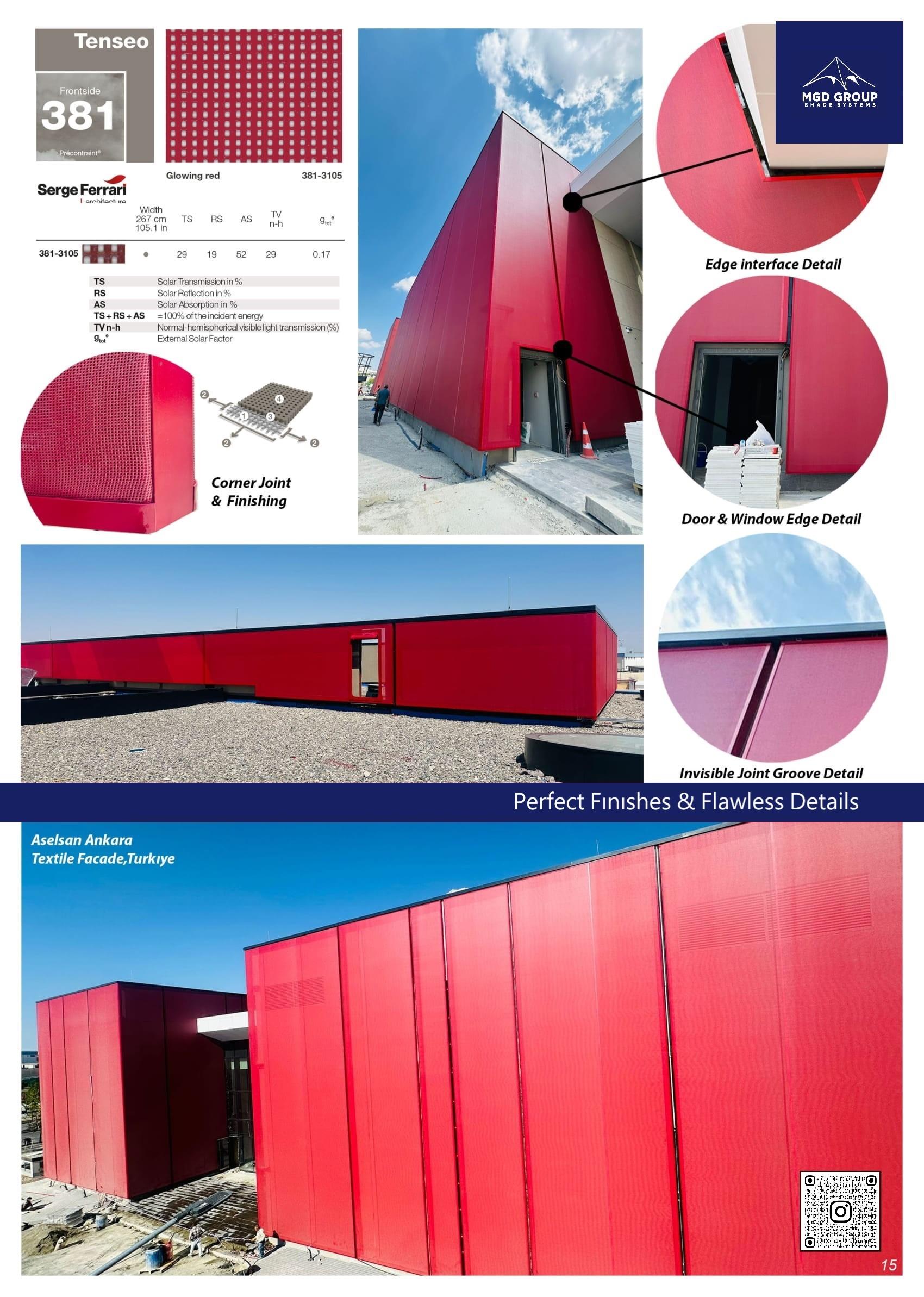
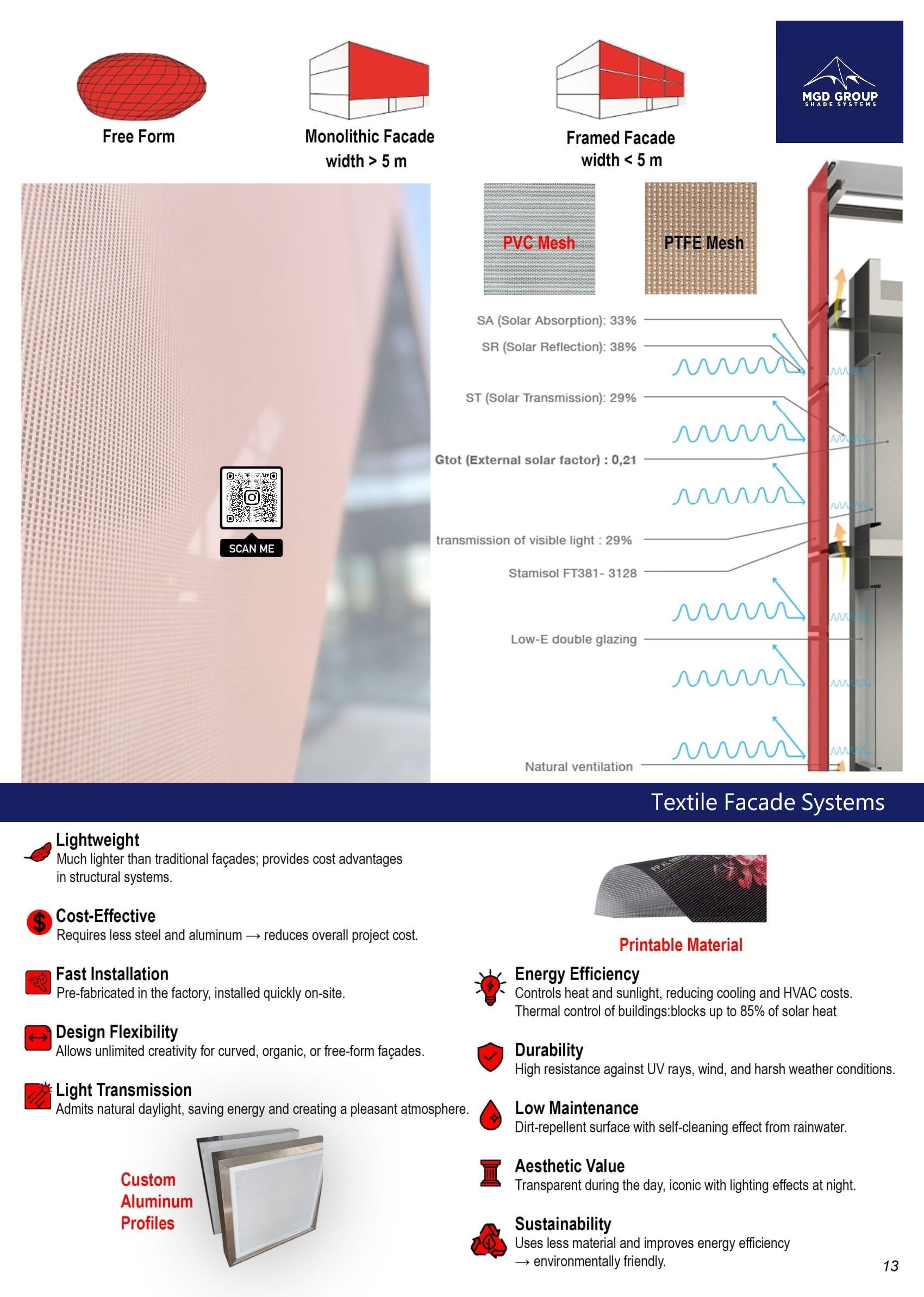
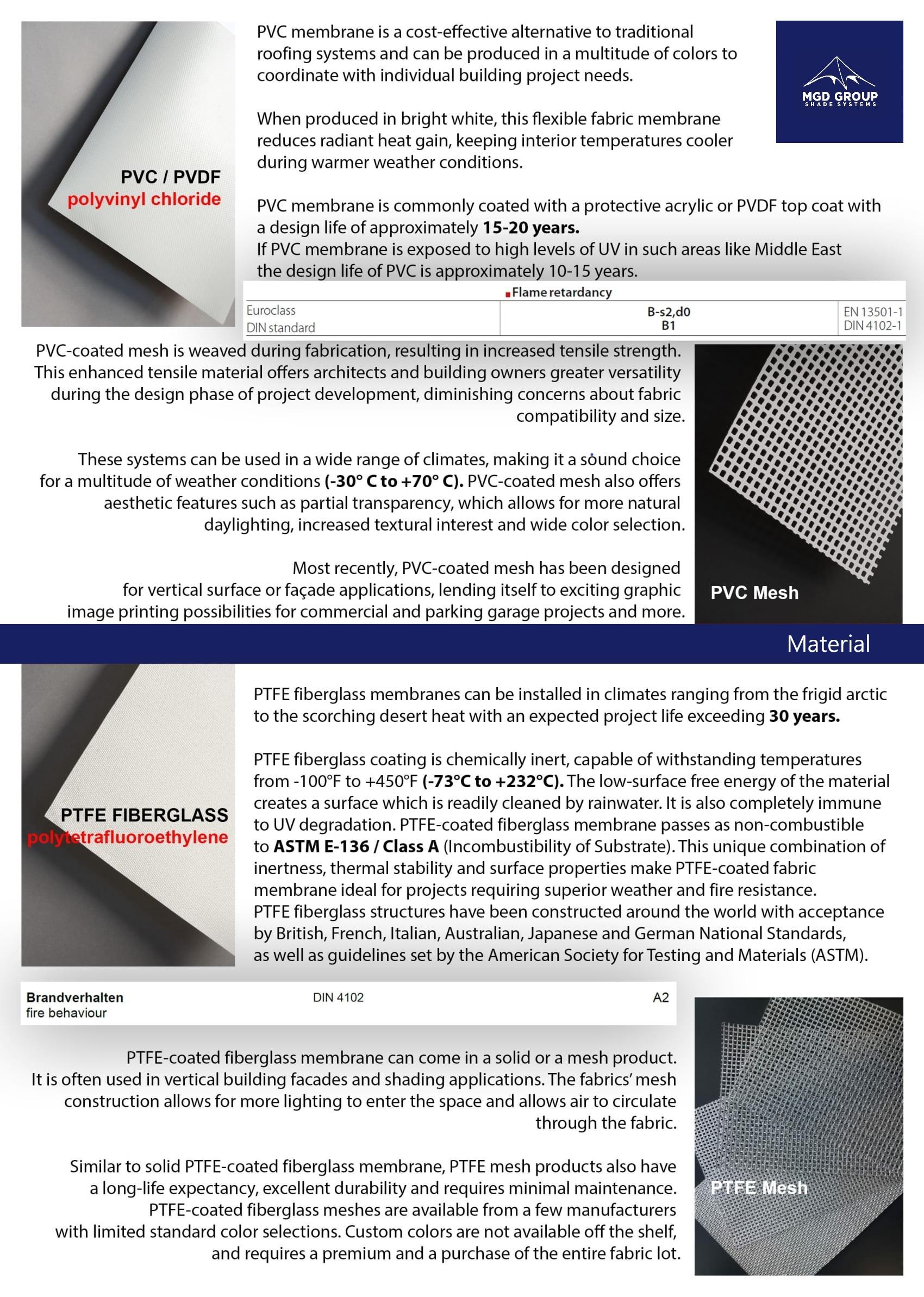
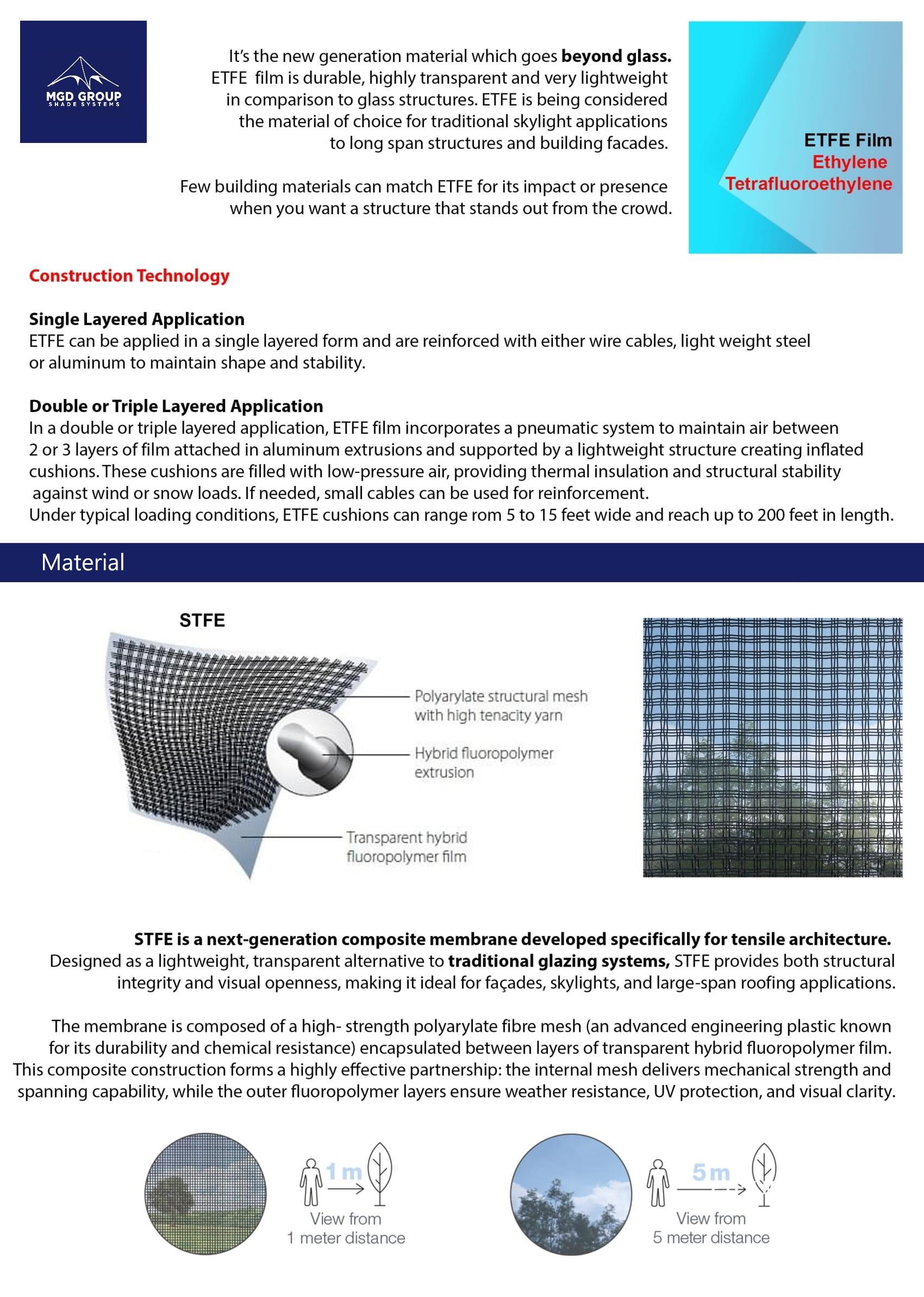
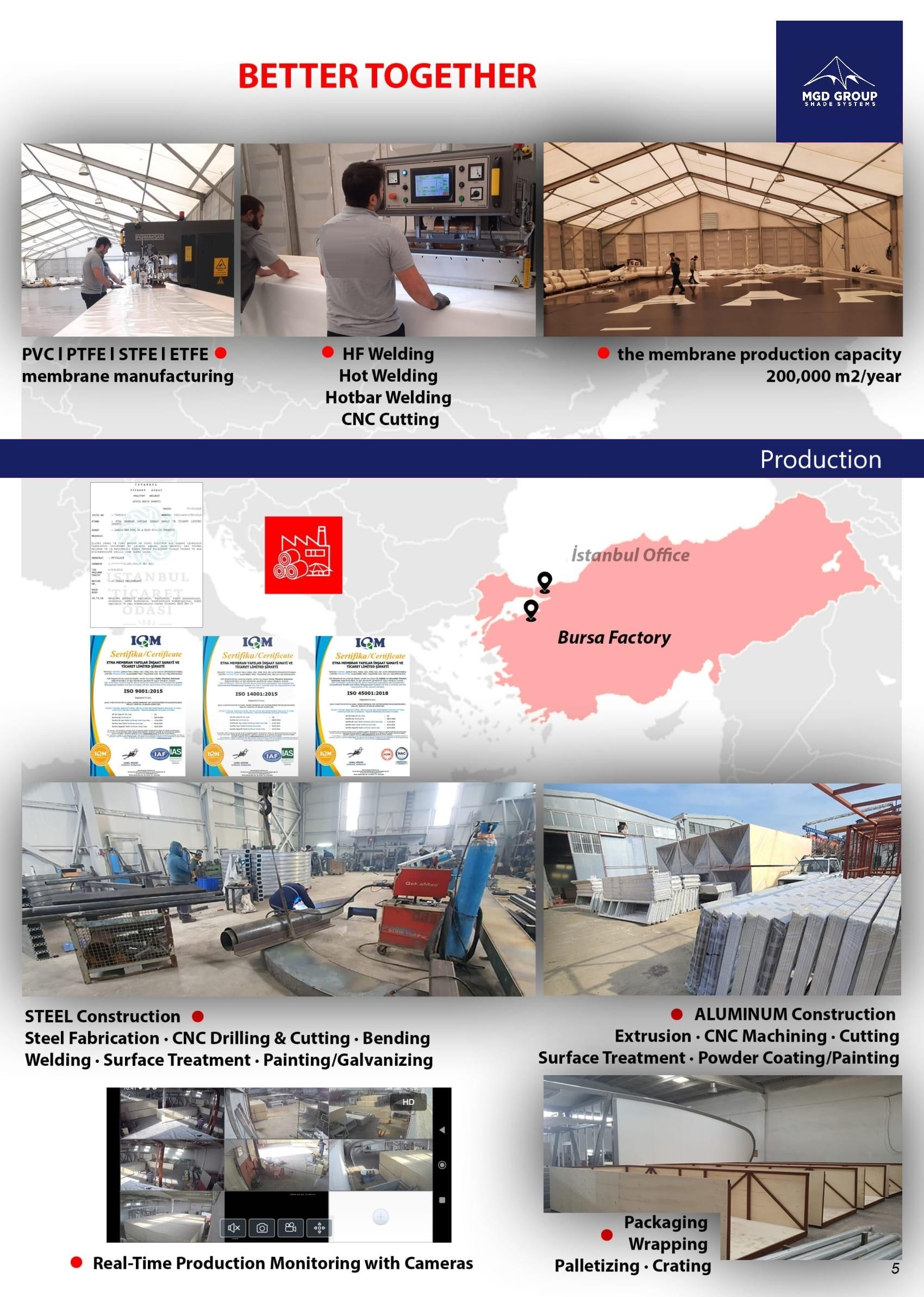
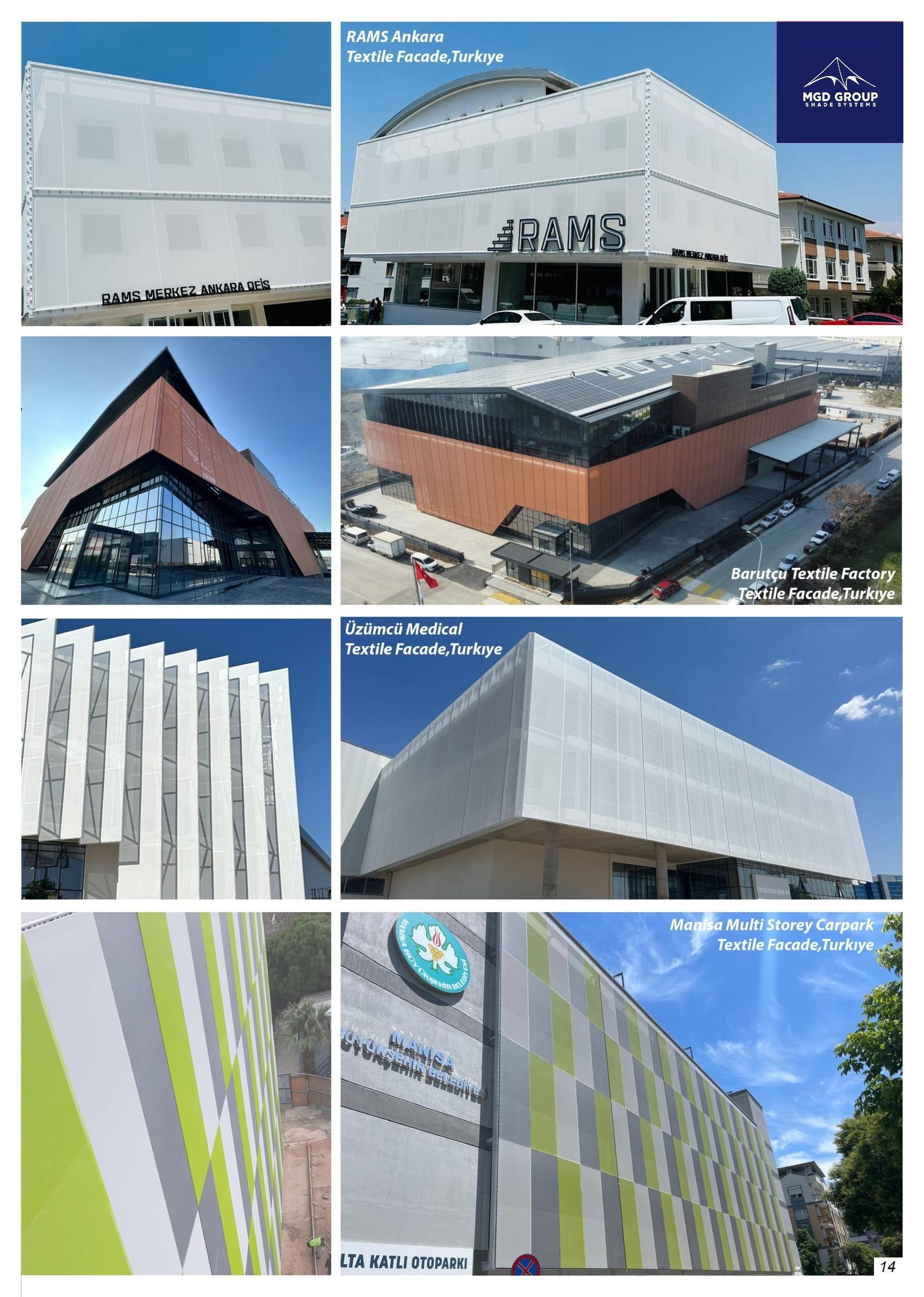
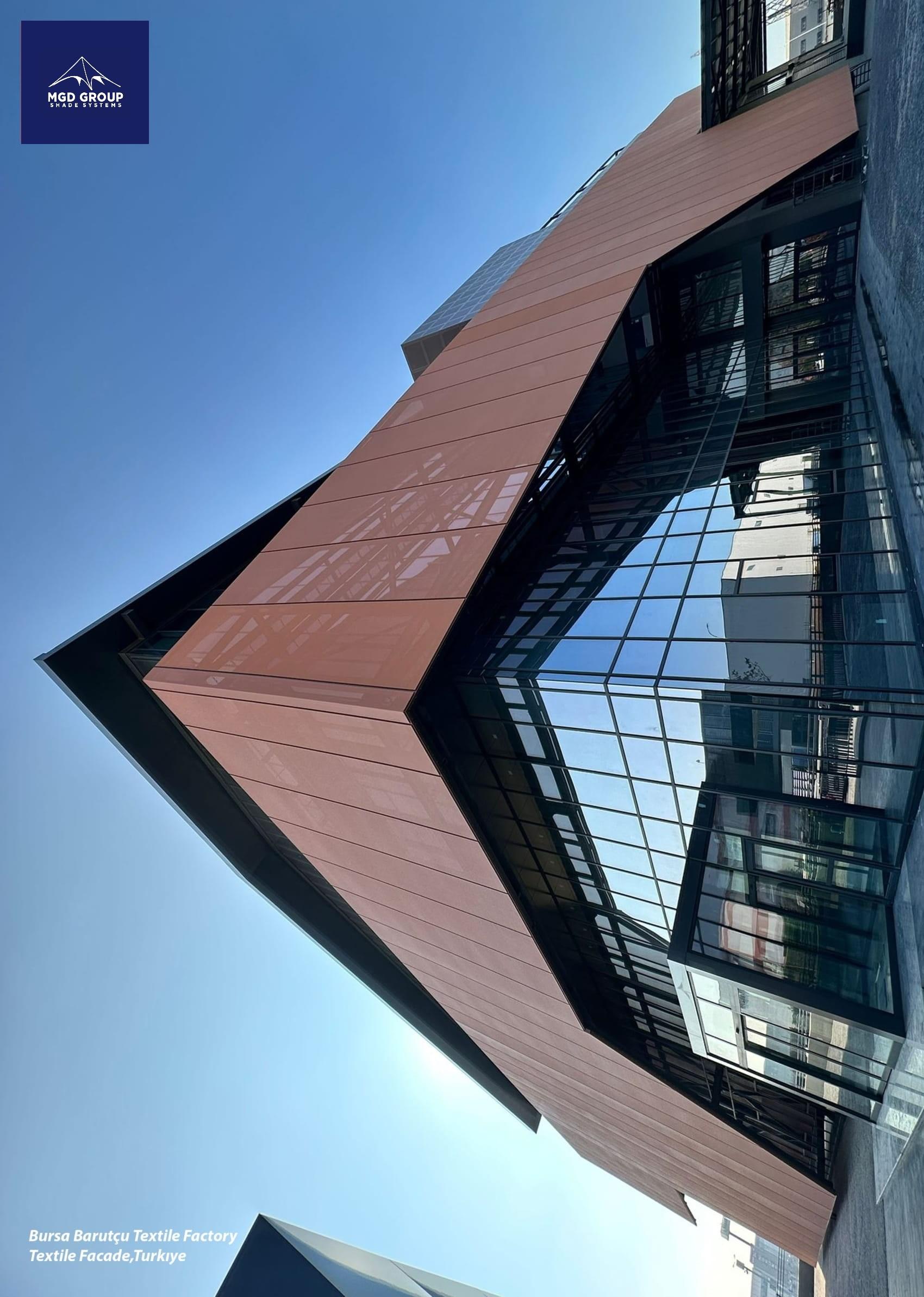
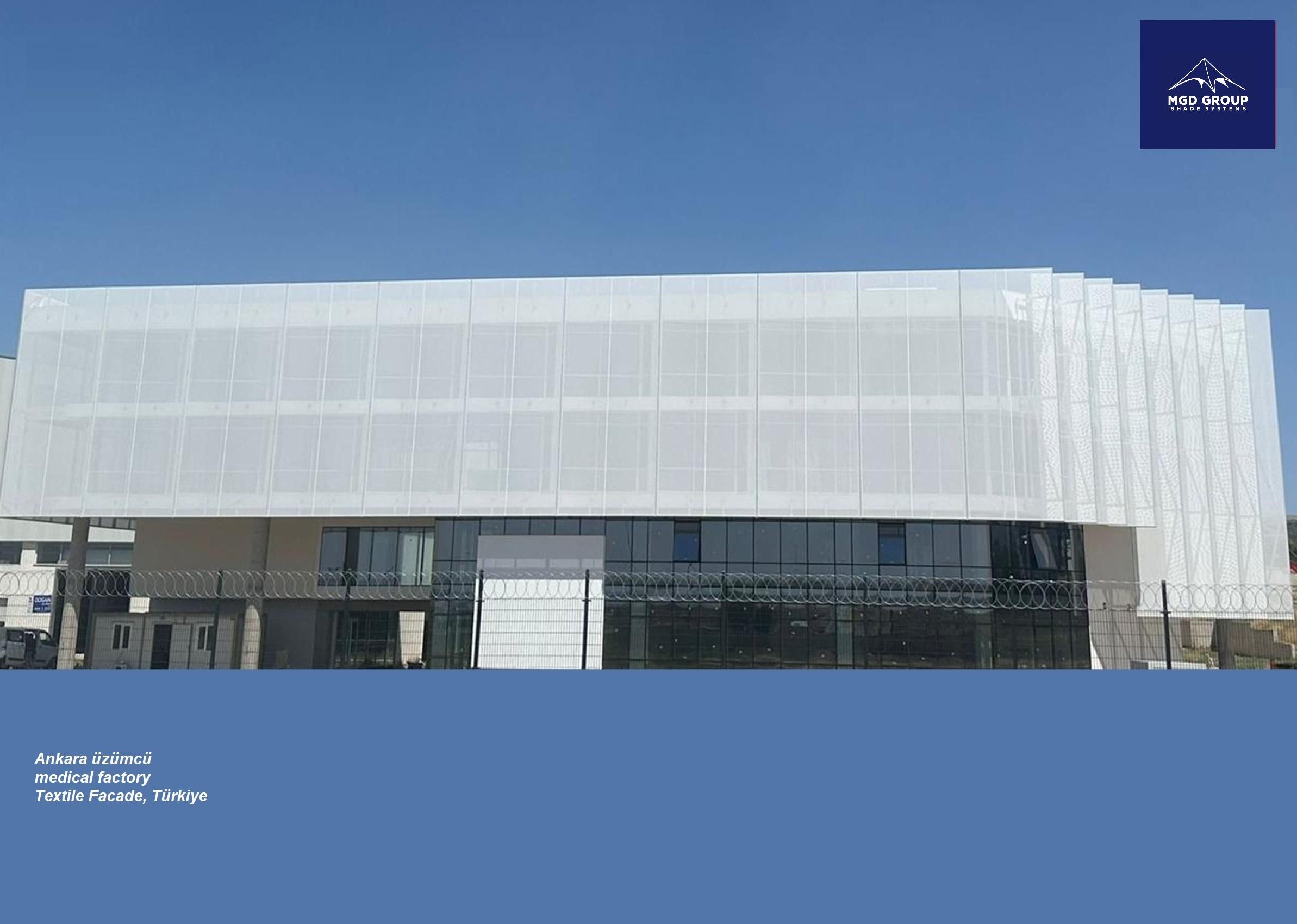

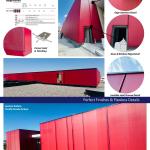
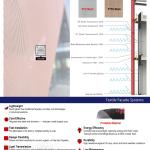
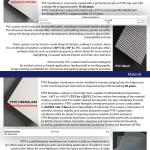
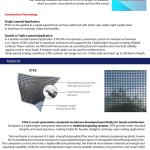
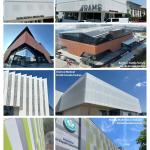
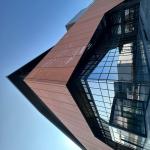
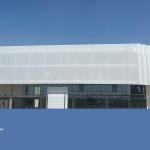
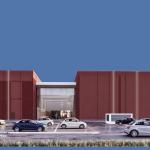
Textile façade cladding is a façade system designed according to environmental conditions, using one or a combination of materials such as PVC, Mesh (perforated), PTFE (Teflon), PTFE mesh, or ETFE.
Textile-clad façades offer numerous advantages:
1. Lightweight structure
Textile materials are generally lightweight, meaning they do not add excessive load to the building. This allows savings in structural systems and foundation costs.
2. Flexibility and design versatility
Textile façades can be designed in various shapes and forms, providing architects and designers with great creative freedom. Flat, curved, or wave-like forms can be achieved.
3. Light transmission
These façades allow natural daylight to penetrate interior spaces, resulting in energy savings and brighter indoor environments.
4. Energy efficiency
Textile façade systems provide insulation and shading, helping to reduce heating and cooling costs. They also filter sunlight to control heat gain inside the building.
5. Durability and weather resistance
Textile materials are resistant to UV radiation, water, wind, and other environmental effects. With proper material selection, long-lasting façade systems can be achieved.
6. Fast and easy installation
Compared to conventional façade systems, textile façades are quicker and easier to install, reducing labor and installation costs.
7. Easy maintenance
Textile façades are typically made of easy-to-clean materials and require minimal maintenance.
8. Environmentally friendly options
Many textile façade materials are recyclable or produced using environmentally friendly processes with minimal ecological impact.
Your email address will not be published. Required fields are marked *
Please login to write review!
Looks like there are no reviews yet.
Veb saytımız təcrübənizi yaxşılaşdırmaq üçün kukilərdən istifadə edir.
Kukilər siyasətini yoxlayın